
Latest posts
-
Why Do Cats Sleep So Much? Fun Facts About Feline Naptime

📌 Cats: The Champions of Sleep If you’ve ever envied your cat for their napping skills, you’re not alone. Cats are world‑class sleepers, often snoozing away 12 to 16 hours a day — and some can even hit 20 hours on lazy days. That’s roughly 70% of their life spent asleep! But why do cats…
-
The Zoomies Phenomenon: Why Your Cat Suddenly Becomes a Furry Rocket

📌 What Are the Cat Zoomies? You know the drill: one moment your cat is peacefully napping, the next they’re a blur of fur, tearing through the house like a tiny, furry rocket. This sudden burst of frantic energy is affectionately known as the “zoomies,” or more formally, Frenetic Random Activity Periods (FRAPs). 👉 While…
-
Ear Mites in Cats: Causes, Symptoms, Treatments & Holistic Care
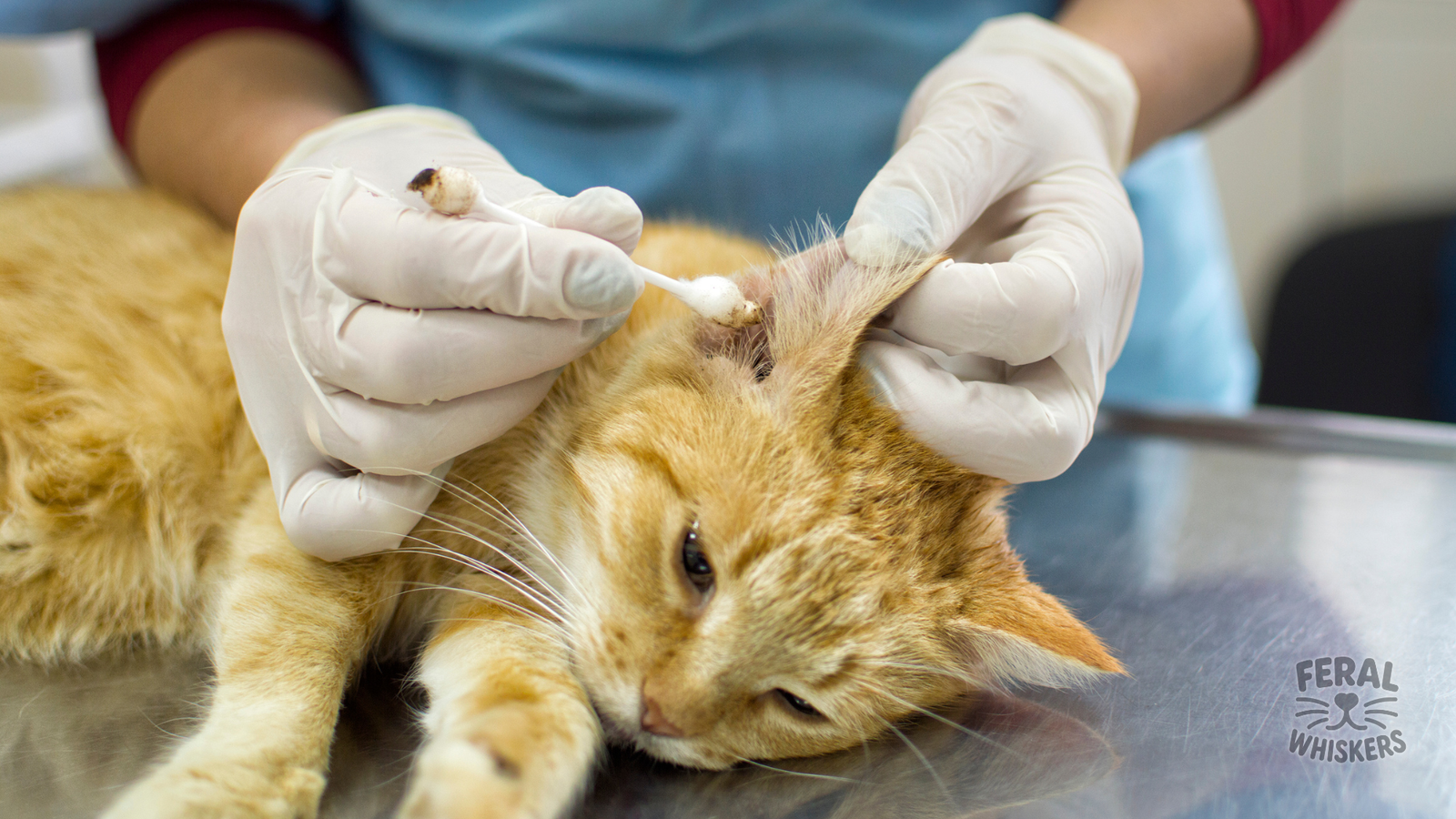
📌 What Are Ear Mites? Ear mites are microscopic external parasites that live in a cat’s ear canal. The most common species in cats is Otodectes cynotis. 👉 While they rarely infest humans, people may develop itchy red rashes after contact with an affected cat. 🦠 How Do Cats Get Ear Mites? Cats pick up…
-
Ticks in Cats: Dangers, Removal, Treatments & Prevention
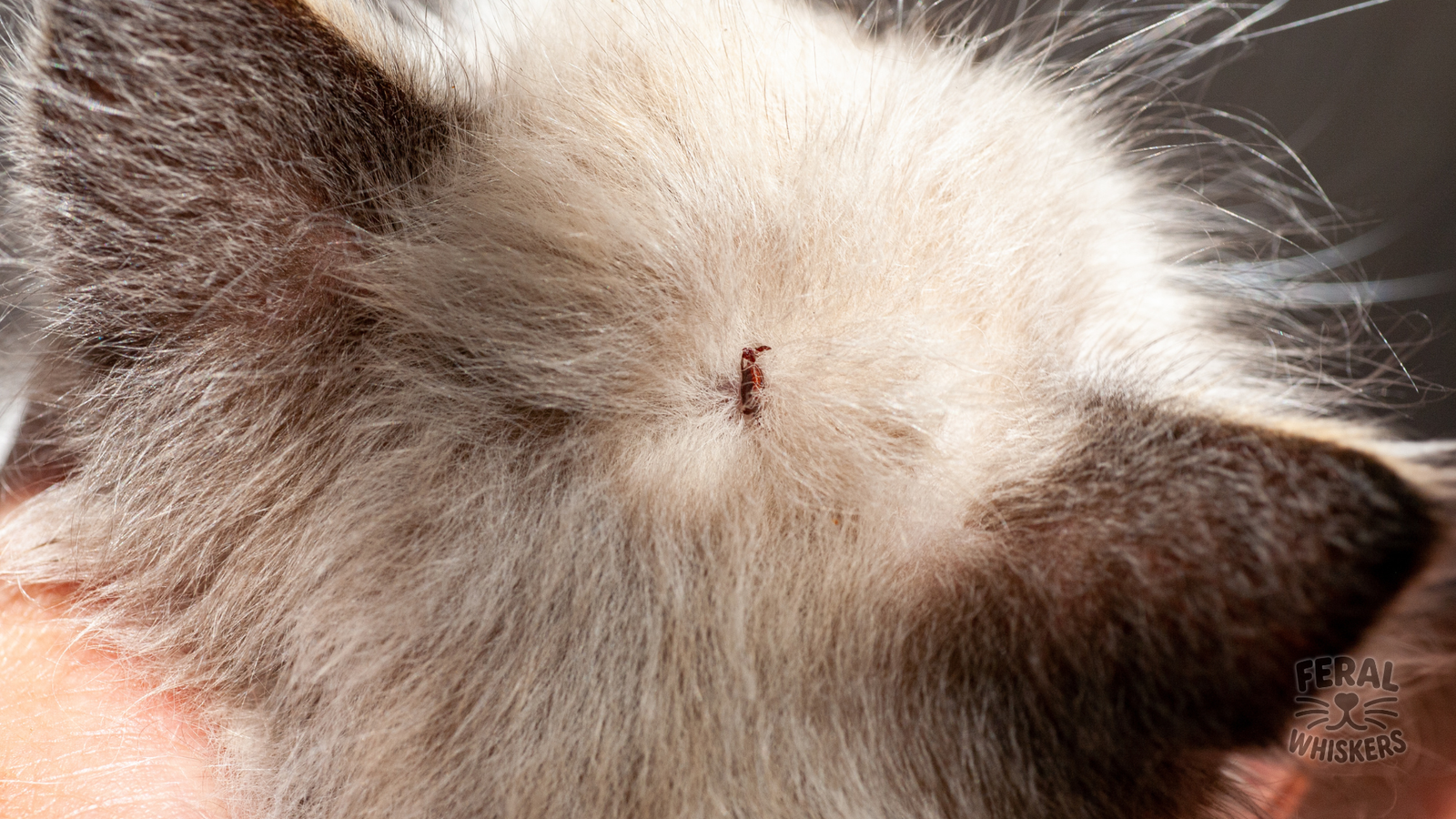
📌 What Are Ticks? Ticks are external, blood-feeding parasites belonging to the arachnid family (like spiders and mites). They survive by attaching themselves to a host (animal or human), inserting their mouthparts, and feeding on blood for several days. 👉 While cats are less commonly affected by tick-borne diseases than dogs, when they do get…
-
Fleas in Cats: Symptoms, Treatments, Holistic Remedies & Prevention

📌 What Are Fleas? Fleas (Ctenocephalides felis) are tiny, wingless insects that live by feeding on blood. They are the most common external parasite in cats worldwide. 🦠 How Do Cats Get Fleas? 🚨 Symptoms of Flea Infestation in Cats 💡 Some cats develop flea allergy dermatitis (FAD) → hypersensitivity to flea saliva = extreme…
-
Feeding Senior Cats: Tailoring Diets for Aging Felines to Support Health and Longevity

📌 Why Senior Cats Need Special Diets As cats age (generally considered 7+ years old, with senior stage beginning around 11+), their nutritional needs shift due to: 👉 This means their diet should focus on protecting organs, maintaining lean muscle, supporting joints, and encouraging appetite. 🧬 Key Nutritional Needs for Senior Cats 1. High-Quality Protein…
-
Common Cat Food Myths Debunked: What You Think You Know About Feline Diets (and What’s True)

📌 Why Cat Food Myths Persist The pet food industry is huge, and with so much information (and misinformation) out there, it’s easy to fall for common myths. These myths can lead to poor dietary choices, impacting your cat’s health. 👉 It’s time to separate fact from fiction to ensure your feline friend gets the…
-
Understanding Cat Food Labels: A Pet Parent’s Guide to Ingredients, AAFCO, and Nutritional Adequacy

📌 Why Cat Food Labels Matter Walk into any pet store and you’ll find shelves packed with cans, bags, and pouches of cat food — all claiming to be “premium,” “holistic,” or “vet-recommended.” But which ones are actually healthy? 👉 The truth: Labels tell the story. Knowing how to read them helps you choose cat…
-
Kitten Nutrition 101: From Weaning to Adulthood — Feeding for Healthy Growth

📌 Why Kitten Nutrition is Different Kittens aren’t just “small cats” — their bodies grow at lightning speed. In their first year, they need double the energy of adult cats, higher protein, more fat, and the right balance of calcium and phosphorus for strong bones. Proper nutrition during this stage affects: 🍼 Stage 1: Nursing…
-
Kibble vs. Wet vs. Raw: The Ultimate Comparison for Cat Nutrition

Nutrition 📌 Why Choosing the Right Diet Matters Cats are obligate carnivores — their health depends on a diet rich in animal protein, fat, and moisture. With so many options (kibble, canned wet food, or raw feeding), pet parents often wonder which is “best.” The truth? Each diet has pros and cons. The right choice…